Imagine a sourcing process where suppliers compete in real time, prices drop, and every bid is tracked and auditable. That’s the power of reverse auction software turning slow, traditional negotiations into structured, transparent, and competitive events. With rising cost pressures, complex supplier networks, and increasing compliance demands, traditional sourcing methods often fall short. Digital auctions bring efficiency, accountability, and actionable insights to every sourcing event.
Using digital auctions does more than save money; it makes buying easier, helps build better relationships with suppliers, and improves management. By knowing how and where reverse auctions work best, companies can use them in their overall buying plans, making purchasing smarter and more valuable.
In this blog, we will look at how reverse auction platform works, the areas where it is most helpful, the new technology trends in online auctions, and the clear benefits organizations can get. We will also compare reverse auctions with traditional ways of negotiating to show why organized buying is important for saving costs. This guide will give helpful tips for leaders and teams in procurement who want to update their buying methods with technology.
What Is Reverse Auction Software and How It Functions in Practice?
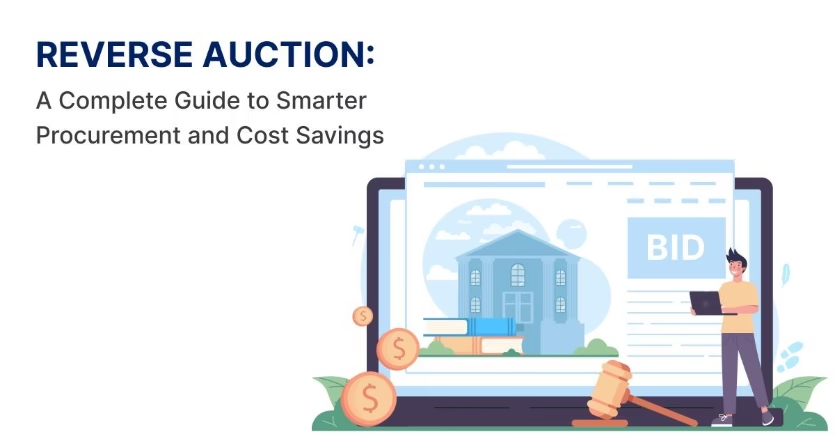
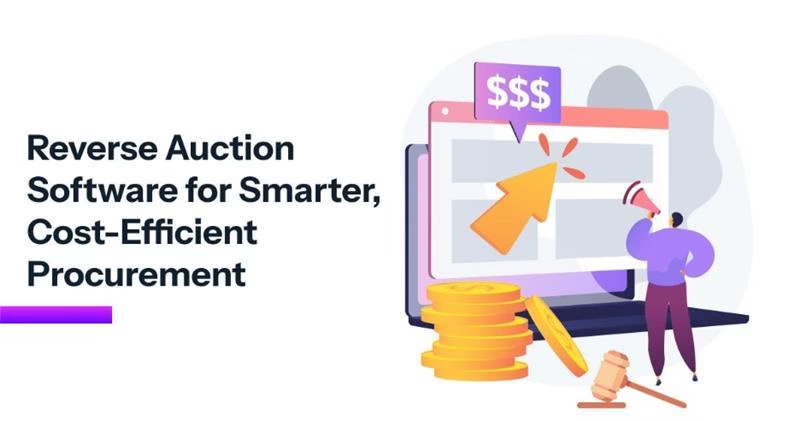
Reverse auction software helps buyers hold events where suppliers offer lower prices for specific needs. Before the event, buyers set rules and requirements. Suppliers join through a secure online platform that keeps things fair and clear.
This online reverse auction software records every bid, ranking, and time automatically, making it easy to track everything. Unlike regular negotiations, auctions make the process quicker and more organized. This leads to faster decisions backed by clear data. Organizations that often source goods can enjoy more consistent results, less tiredness from negotiations, and a process that is easy to repeat and check.

Why Enterprises Are Adopting Reverse Auctions at Scale
Enterprises are under constant pressure to reduce costs while maintaining governance and transparency. A well-implemented reverse auction platform addresses these needs by introducing structured competition and standardized rules. Real-time Competitive bidding reveals market-aligned pricing rather than assumptions. Digital workflows shorten sourcing timelines and reduce coordination effort.
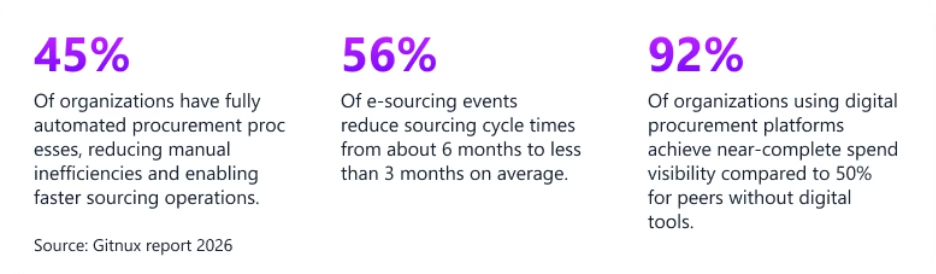
Industry data shows that digital procurement solutions can reduce operational costs by up to 45% and cut invoice processing cycles by 70%, while e-sourcing events, including auctions, can reduce cycle times from six months to under three months on average. Beyond savings, reverse auctions improve accountability by enforcing consistent evaluation criteria.
This consistency is especially valuable for large, multi-location, or regulated organizations. As procurement evolves into a strategic function, reverse auction software is increasingly integrated into category strategies rather than being a one-off cost-reduction measure.
Reverse Auctions vs Traditional Negotiations: A Strategic Perspective
Procurement teams often evaluate when to rely on relationship-based negotiations versus structured competition. Both approaches serve different purposes. Reverse auction software introduces objectivity, transparency, and consistency that traditional negotiations may lack. Structured rules replace informal discussions, creating comparable outcomes across suppliers.
Key Strategic Differences:
- Price Discovery: Negotiations rely on sequential offers, while auctions reveal real-time market pricing.
- Transparency: Traditional methods provide limited documentation, while auctions create a complete digital audit trail.
- Speed: Negotiations extend over multiple rounds, while auctions conclude within defined timelines.
- Objectivity: Human discretion dominates negotiations, whereas auctions follow standardized rules.
- Scalability: Auctions allow wider supplier participation without increasing effort.
Used selectively, reverse auctions complement negotiations, bringing structure where standardization exists without replacing collaboration entirely.
Identifying Categories Where Reverse Auctions Deliver Maximum Value
The effectiveness of competitive bidding depends on category characteristics. Reverse auction software works best when requirements are clear, and supplier markets are competitive. Procurement leaders must carefully assess category suitability before deployment.
Categories Best Suited for Reverse Auctions:
- Commoditized Goods: Standard specifications allow fair price comparison.
- Logistics Services: Defined routes and volumes support competitive bidding.
- Packaging and Materials: Stable quality parameters reduce evaluation complexity.
- Indirect Services: Clearly scoped services enable structured sourcing.
- Recurring Purchases: Repeat events allow continuous improvement and learning.
Reverse auctions offered by Procbay deliver the greatest impact when quality requirements are fixed, and suppliers compete primarily on price. Strategic or innovation-driven categories may require collaborative sourcing approaches.
Business Outcomes Enabled by Reverse Auction Software
| Area | Impact |
| Cost Efficiency | Market-driven pricing |
| Governance | Rule-based sourcing |
| Speed | Faster sourcing cycles |
| Supplier Access | Broader participation |
| Data Quality | Centralized insights |
Structured reverse auction platforms improve sourcing consistency and decision confidence. Beyond cost reduction, they ensure repeatable, auditable, and compliant processes across the enterprise.
Technology Trends Shaping Online Reverse Auctions
The evolution of online reverse auction software reflects broader digital procurement trends. Modern platforms now support enterprise-scale sourcing rather than isolated bidding events.
Key Technology Trends:
- Cloud Deployment: Enables global access and scalability.
- Workflow Automation: Reduces manual coordination and errors.
- Analytics Capabilities: Improves visibility into bidding behavior and competitiveness.
- System Integration: Connects auctions with ERP and contract management systems.
- Enhanced Security: Protects sensitive commercial and supplier data.
These advancements position reverse auctions as strategic sourcing enablers rather than transactional tools, enabling faster, data-driven, and compliant procurement decisions.
Governance, Compliance, and Risk Mitigation Through Auctions
Governance is a critical benefit of structured sourcing. Reverse auction software enforces predefined rules that ensure all suppliers are treated fairly. Automated documentation supports audits and internal reviews. A well-designed platform minimizes off-contract buying and informal negotiations.
Standardized sourcing events also strengthen internal trust in procurement decisions. Over time, auctions help procurement teams demonstrate discipline, fairness, and compliance across sourcing activities, making the function more credible and strategic.
Procbay’s Role in Structured Digital Procurement
Procbay helps organizations use better ways to buy things by using technology that is clear and efficient. Its reverse auction software allows for fair buying without making things too complicated. The platform is easy to use, encourages suppliers to participate, and makes data easy to see.
Procbay assists organizations in moving from messy negotiations to organized buying processes. Instead of seeing auctions as tough cost-cutting tools, it helps make smart choices that match the rules and goals of modern buying, where efficiency, trust, and control work together on a dependable reverse auction platform.
Advancing Toward Data-Driven Procurement
Today, procurement leaders need to manage costs while being open and strong. Reverse auction software provides a clear way to find this balance. The right tool helps to get competitive prices while following rules.
Procbay shows how online auctions can fit well into larger buying plans without hurting supplier relationships. Looking at structured reverse auctions is a smart move for long-term efficiency, responsibility, and value. Schedule a demo with Procbay to see how data-driven reverse auctions can transform your procurement strategy.
FAQs
Q: What is reverse auction software?
A: It enables real-time competitive bidding, tracks every bid automatically, and helps procurement teams reduce costs and make data-driven decisions.
Q: How does a reverse auction platform help businesses?
A: The reverse auction platform introduces structured competition, speeds up sourcing, ensures fair supplier evaluation, and improves cost efficiency.
Q: Is there free reverse auction software for small businesses?
A: Yes, free reverse auction software versions provide essential bidding functionality, ideal for businesses starting digital procurement without upfront costs.
Q: Which categories benefit most from reverse auctions?
A: Commoditized goods, logistics, packaging, indirect services, and recurring purchases see the highest cost and efficiency gains.
Q: How is technology shaping online reverse auctions?
A: Cloud, AI analytics, workflow automation, system integration, and enhanced security make auctions faster, scalable, and data-driven.
Connect with our procurement experts to tailor an AI-governed sourcing strategy for your enterprise.
Contact Us