
As organizations grow, procurement becomes more complicated quicker than governance teams can manage. Contracts increase in number, suppliers grow, and regulatory requirements become stricter. Without structured workflow management, efficiency drops and compliance risk rises.
What begins as a simple compliance check often turns into a mix of emails, spreadsheets, and manual validations. Teams find it hard to track obligations, manage contractor documents, and ensure they follow procurement policies. This lack of visibility makes it difficult to control risk, enforce accountability, and protect contract value.
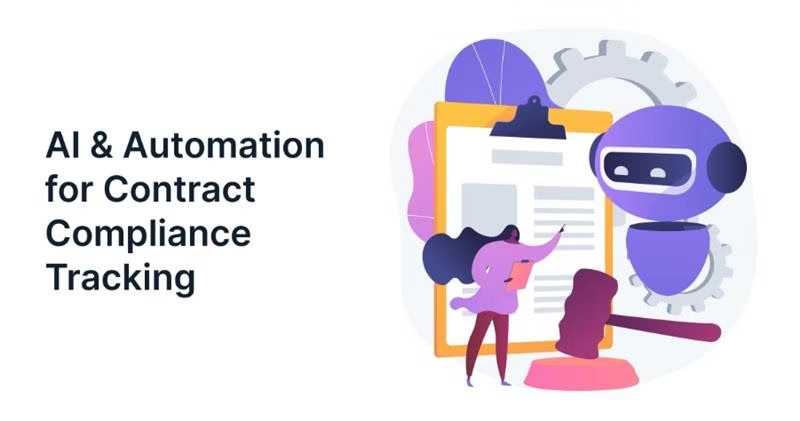
AI and automation are changing how contract compliance is tracked. They replace disjointed processes with continuous, organized, and auditable systems. Instead of responding to problems after they happen, organizations can actively monitor compliance and maintain control throughout the contract lifecycle.
“You can’t manage what you can’t measure.”
Peter Drucker, Management Consultant, Educator, and Author
What Is Contract Compliance Tracking and How It Works
Contract compliance tracking is the ongoing process of monitoring whether suppliers, vendors, and contractors meet their contractual obligations. This involves checking pricing terms, service levels, documentation, certifications, timelines, and regulatory requirements.
A structured compliance approach applies defined rules, approvals, and validations to every agreement. This level of control becomes significantly easier to maintain when compliance is embedded into supplier lifecycle management, where onboarding, performance tracking, and renewals are governed through a single system.
According to World Commerce & Contracting (WorldCC), poor contract compliance and leakage cost organizations an average of 8 to 9% of annual contract value. This primarily happens because of missed obligations and weak enforcement.
DID YOU KNOW?
Organizations that rely on manual compliance tracking face significantly higher contract leakage and audit exposure compared to those using automated systems.
SC: World Commerce & Contracting (WorldCC)
Spend Smarter. Grow Faster.
Gain control of expenses and boost efficiency with Procbay.
How AI & Automation Enable Scalable Contract Compliance Management
Traditional contract compliance management relies on regular audits and manual follow-ups. These methods struggle to keep up with the increasing number of suppliers and complicated agreements. AI-driven automation offers a better solution with ongoing oversight.
AI systems pull out important clauses, connect them to compliance rules, and track performance in real time. They send alerts for missed deadlines, expiring documents, or policy violations. This cuts down on the need for manual coordination and follow-ups, especially in procurement settings where workflow automation lowers the number of manual tasks across different teams and systems.
Gartner reports that organizations using automated contract and compliance governance tools can cut compliance-related risks by up to 35%. They also improve audit readiness and transparency.How AI & Automation Enable Scalable Contract Compliance Management
Contractor Compliance Systems: Managing Supplier Risk at Scale
Managing contractors adds complexity. Each supplier must meet certain requirements for certifications, insurance, statutory filings, and contract terms. Manual tracking can easily overlook gaps.
A centralized contractor compliance system provides consistency in onboarding, document validation, and renewals. When compliance is part of supplier lifecycle management, controls stay in place from onboarding to performance reviews and renewals. This level of oversight is crucial as procurement teams deal with larger and more diverse supplier networks.
Essential Features of a Modern Contract Compliance Tool
An effective contract compliance tool brings automation, visibility, and governance into one platform. These features build on foundational capabilities already familiar in workflow management software used across procurement teams.
Key capabilities include:
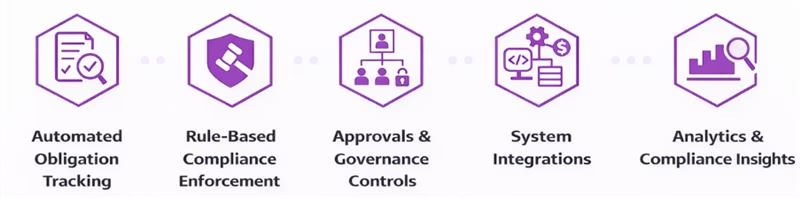
Contract Compliance Management Feature Checklist
Before selecting a solution, procurement teams should evaluate platforms against clear operational requirements.
| Feature Area | Key Capabilities | Business Impact |
| Contract Visibility | Central repository, version control | Reduced risk |
| Compliance Rules | Clause mapping, validations | Consistent enforcement |
| Automation | Alerts, renewals, escalations | Lower manual effort |
| Audit Trails | Activity logs, documentation | Audit readiness |
| Reporting | Compliance dashboards | Better decision-making |
Using a structured checklist reduces implementation risk and supports long-term procurement control.
Procurement Contract Compliance: Moving from Reactive to Proactive
Procurement contract compliance has typically aimed at spotting problems after audits. AI-enabled systems change this by providing proactive, continuous monitoring.
Research from Deloitte shows that automated procurement compliance can cut contract leakage by 20 to 25%. This improvement directly enhances cost control and makes suppliers more accountable. By incorporating compliance into daily procurement workflows, organizations also improve how they evaluate and choose suppliers. They can use compliance data to make fair sourcing and renewal decisions.
DID YOU KNOW?
Automated compliance data helps procurement teams make more objective sourcing decisions and reduce supplier risk.
SC: Deloitte Procurement Insights
Trends Shaping the Future of Contract Compliance Tracking
As procurement functions change, compliance systems are shifting from being static tools to becoming smart governance platforms.
Key trends include:
- AI-driven risk prediction
- Continuous compliance monitoring
- Policy-driven automation
- Cloud-based scalability
- Integrated workflows across sourcing, invoicing, and payments
These trends match broader automation efforts that are already improving supplier collaboration portals and procurement visibility.
Common Challenges Solved by Automated Contract Compliance Systems
Many organizations struggle with compliance due to disconnected processes and limited visibility.
A modern compliance platform helps by:
- Eliminating manual tracking across spreadsheets and emails
- Reducing missed deadlines and documentation gaps
- Improving visibility across suppliers and contracts
- Strengthening audit readiness and governance
- Supporting growth without operational strain
Automation also reduces downstream issues across invoicing and payments by improving compliance automation across procurement workflows.
Simplify Procurement. Accelerate Growth.
Procbay’s AI streamlines requests, approvals, and vendors, so you save time and scale faster.
Why Procbay Aligns with Enterprise Contract Compliance Needs
Procbay is designed to bring structure, transparency, and intelligence to procurement operations. Its platform allows organizations to manage contract compliance tracking through centralized visibility, configurable workflows, and AI-driven automation.
By connecting compliance with sourcing, supplier collaboration, and execution, Procbay helps organizations reduce risk while maintaining flexibility. It does this without disrupting existing procurement systems.
Choosing Contract Compliance Systems Built for Scale
Contract compliance is essential for growing organizations. As supplier networks expand, manual tracking is no longer feasible. Organizations that invest in smart contract compliance management platforms gain:
- Better risk control
- Stronger supplier accountability
- Faster audits
- Long-term operational resilience
Take Control of Contract Compliance
Unlock the full potential of AI-driven contract compliance tracking. See how automation improves governance, reduces risk, and strengthens procurement performance.
Schedule a demo with Procbay today and take the next step toward smarter, more compliant procurement operations.
FAQs
Q: What is contract compliance tracking?
A: It makes sure suppliers and contractors follow their contract terms, regulations, and policies during the entire contract period.
Q: How does AI improve contract compliance management?
A: AI automates clause analysis, monitors obligations in real time, and alerts teams to potential compliance risks.
Q: What is a contractor compliance system?
A: It constantly checks supplier documents, certifications, and contract requirements.
Q: Why is procurement contract compliance important?
A: It stops contract leakage, cuts down on disputes, and ensures consistent governance.
Q: Can contract compliance tools support audits?
A: Yes. Automated systems keep full audit trails and documentation.

 10th February 2026