Every missed update from a supplier can ripple across production lines and client deadlines, costing companies time and money.
The procurement teams usually spend a considerable amount of time every week trying to get updates from suppliers, which results in delays and additional costs. Lost documents, confused communications, and delayed approvals can cause production delays and impact client commitments.
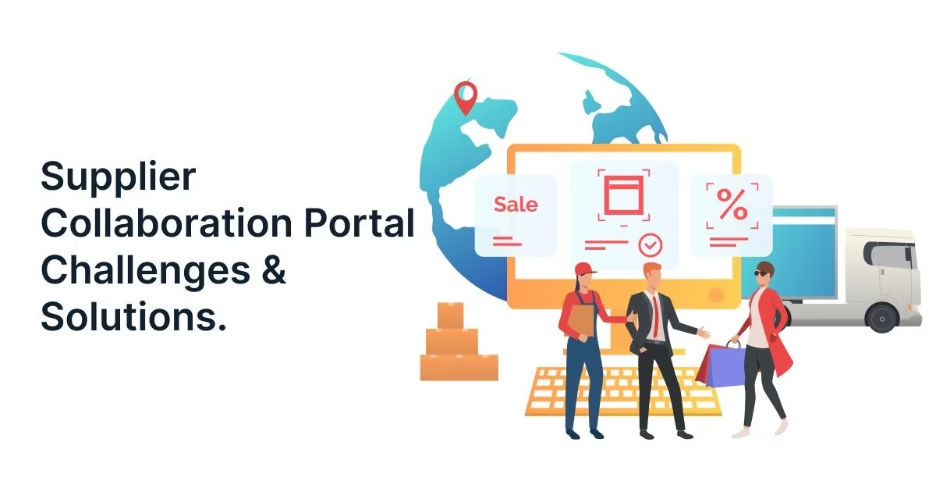
Currently, many teams utilize a supplier collaboration portal to handle supplier interactions more efficiently. However, some teams are still using emails, telephonic communications, and other methods that cause delays in approvals, create risks, and result in additional follow-ups.
In this blog, we will study typical issues associated with supplier portals, the latest technology trends that improve teamwork, and the solutions. In a proper supplier collaboration strategy and with the right portal, organizations can improve supplier relationships, overcome delays, and optimize procurement processes.
|
“Supplier collaboration is rapidly emerging as a strategic imperative, with supplier portals at the forefront of this transformation.” — Gartner procurement insight |
The Real Challenges Behind Ineffective Supplier Portals
Companies set up a vendor collaboration portal but fail to make it easy for vendors to access. Vendors are required to access different systems for invoices, compliance, and communication, making it difficult for them to adopt the system.
A supplier collaboration platform should make it easy for vendors to interact with the system by creating a simple interface for vendors. Vendors can view orders, upload documents, and check updates in one place, making the procurement process work effectively and quickly.

Key Problems Procurement Teams Face
A good supplier collaboration portal is more than just a document-sharing platform. It is a work environment that facilitates interaction between procurement teams and suppliers, monitors progress and ensures real-time compliance. For a supplier collaboration plan to be effective, the portal should have functionalities that make communication easier, provide better visibility, and measure performance.
| Challenge | Impact on Business | Operational Risk |
| Manual email communication | Slow approvals | Missed deadlines |
| Lack of document visibility | Compliance issues | Audit failures |
| Multiple tools for vendors | Low adoption | Data inconsistency |
| Poor onboarding process | Vendor delays | Procurement backlog |
| Limited performance tracking | Weak supplier evaluation | Cost escalation |
A structured collaboration portal reduces manual effort and improves data accuracy. Supported by a strong supplier collaboration strategy, it creates accountability in procurement operations.
Supplier Onboarding and Compliance Complexity
Setting up suppliers involves a lot of paperwork and checks. Doing this manually is time-consuming and prone to errors, which causes delays in getting suppliers started and purchasing items.
A simple app called Supplier Collaboration Portal application makes this process easier by automating the process and checking for compliance. Suppliers can upload their documents once and update them when needed, which significantly reduces the workload of procurement.
Performance Tracking and Vendor Evaluation Issues
Procurement teams usually do not have all the necessary information in one place, which makes it hard to assess suppliers fairly and efficiently. Important data about delivery, quality, and response times is often spread out over different spreadsheets, emails, and files, making comparisons tough. Reporting by hand takes time, which means problems with suppliers are often found only after they happen. A vendor collaboration portal centralizes this information, making it easier to track performance, evaluate suppliers accurately, and resolve issues proactively.
A reliable Supplier Collaboration Portal for Business gathers all important data, monitors performance, and helps procurement teams evaluate suppliers correctly and quickly. This leads to better decisions and smoother operations.
What an Effective Supplier Collaboration Portal Must Include
A good supplier collaboration portal is more than a document-sharing platform. It is a work environment where procurement professionals and suppliers can interact, monitor progress, and stay compliant in real-time. To facilitate a good supplier collaboration strategy, the portal should have functionalities that make communication easier, provide better visibility, and help measure performance on both sides.
| Essential Feature | Business Benefit | Supplier Benefit |
| Centralized document management | Compliance control | Easy uploads |
| Real-time order tracking | Faster cycle time | Clear visibility |
| Integrated communication | Reduced disputes | Single platform use |
| Automated onboarding | Time savings | Simplified process |
| Performance dashboards | Data-based decisions | Transparent evaluation |
A practical collaboration portal supports daily procurement activities and long-term collaboration goals.
Did you know?
Centralized supplier collaboration solutions such as portals and integrated platforms help organizations reduce procurement cycle times and improve efficiency by automating communications, visibility, and workflows.
Solutions: Overcoming Supplier Collaboration Challenges
To tackle procurement inefficiencies, organizations need more than just a portal. Practical steps:
- Centralized Portal – All communications, approvals, and documents are handled from one place.
- Automate Workflows – This makes approvals and notifications easier and error-free.
- Supplier Training – Suppliers are trained to effectively use the system.
- Real-Time Tracking – Live Dashboards Monitor real-time delivery, response times, cycle times, budgets, and savings opportunities briefly.
- Transparent Communication – Notifications and boards ensure everyone is on the same page.
- System Integration – ERP and accounting systems are integrated for smooth data exchange.
These steps help turn supplier collaboration portal challenges into opportunities for efficiency, transparency, and stronger partnerships.
Building a Sustainable Supplier Collaboration Strategy
Implementing a supplier collaboration portal is only part of the solution. A sustainable strategy requires clear workflows, defined responsibilities, and training for both procurement teams and suppliers. Internal teams need to follow standardized processes for approvals, document uploads, and performance tracking, while suppliers should be guided to use the portal efficiently.
When both sides adopt these practices, communication becomes consistent, approvals are faster, and compliance improves. A well-executed supplier collaboration strategy supported by a robust portal strengthens supplier relationships, provides real-time visibility into performance and compliance, and enables proactive decision-making for smoother procurement operations.
Key Insight
Supplier portals enhance collaboration because they consolidate all communication, documents, and updates into a single hub, reducing reliance on emails and phone calls that cause delays and errors in procurement workflows.
Technology Trends Improving Supplier Collaboration
Digital procurement tools are introducing smarter ways to manage supplier interactions through automation and integration.
Key points:
- Workflow automation – Approvals and document checks happen automatically.
- ERP integration – Data flows without duplication.
- Real-time dashboards – Orders and payments are visible instantly.
- Automated compliance alerts – Notifications for document expiry.
- Cloud-based supplier access – Vendors can update information from anywhere.
- Analytics for performance insights – Data helps improve supplier decisions.
Consistent use of these trends strengthens the overall supplier collaboration strategy.
How Procbay Enables Supplier Collaboration
Procbay provides a Supplier Collaboration Portal that is quite easy to use for businesses and assists in supplier onboarding, document management, communication, and compliance tracking all under one roof. It is designed in such a way that it enables both company teams and suppliers to collaborate with each other without any confusion or having to answer the same questions again and again.
Being a trustworthy supplier collaboration platform, Procbay provides functionalities such as real-time dashboards, alerts for approval or compliance status, and performance measurement.
Turning Supplier Challenges into Collaboration Opportunities
The old way of collaborating with suppliers leads to issues with compliance and delays. An effective supplier collaboration portal makes the procurement process transparent and accountable. A good plan for supplier collaboration, combined with the right technology, is key to improving relationships and simplifying the procurement process.
If your procurement team battles with communication with suppliers and stays on top of the rules, it is time to improve your approach. Procbay has an effective Supplier Collaboration Portal application for real-world procurement challenges. Book a demo with Procbay and see how an effective collaboration portal can simplify supplier collaboration and improve your procurement outcomes.
FAQs
Q: What is a supplier collaboration portal?
A: A supplier collaboration portal centralizes supplier communication, documents, and order tracking in one system.
Q: How does a vendor collaboration portal improve communication?
A: A vendor collaboration portal replaces emails with structured, trackable interactions between buyers and suppliers.
Q: What should a supplier collaboration platform include?
A: A supplier collaboration platform should offer document management, onboarding, tracking, and performance dashboards.
Q: How does a Supplier Collaboration Portal for Business help compliance?
A: A Supplier Collaboration Portal for Business automates onboarding and keeps compliance documents updated.
Q: Why use a Supplier Collaboration Portal application?
A: A Supplier Collaboration Portal application enables automation, ERP integration, and real-time visibility.
Connect with our procurement experts to tailor an AI-governed sourcing strategy for your enterprise.
Contact Us